
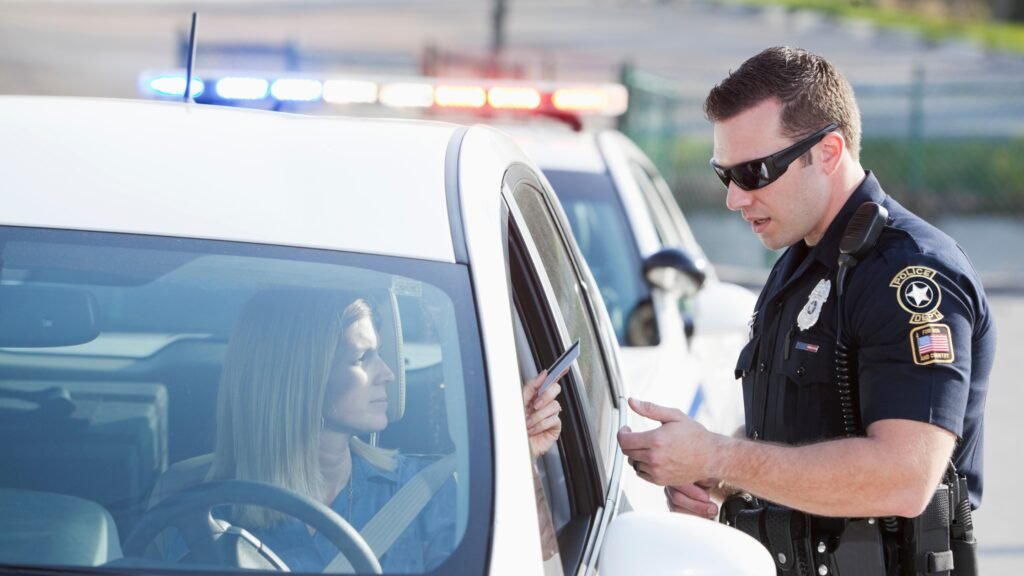
Being pulled over by police can be stressful, especially if the officer asks to search your car. Many people assume police always need a warrant before searching a vehicle, but the rules are different for cars than they are for homes.
In Louisiana, police may be able to search your vehicle without a warrant in certain situations. However, that does not mean every search is legal. Your rights still matter, and the details of the stop can make a major difference in your case.
Understanding when police can search your car, when you can refuse, and what to do during the stop can help protect you from making a mistake that could affect your future.
Understand That Cars Are Treated Differently Than Homes
Why vehicle searches are different
Your home has strong privacy protections under the law. Police usually need a warrant to search inside your house unless a specific exception applies.
Cars are treated differently because they are mobile. Since a vehicle can be moved quickly, courts have allowed certain exceptions that may let police search a car without getting a warrant first.
What this means during a traffic stop
This does not give officers unlimited power. Police still need a valid legal reason to stop you, detain you, question you, or search your vehicle.
If the search was based on weak reasoning, unclear facts, or an improper stop, your attorney may be able to challenge the evidence later.
Know When Police May Search Without a Warrant
Why probable cause matters
One of the most common reasons police search a car without a warrant is probable cause. This means the officer believes there is evidence of a crime, illegal items, or contraband inside the vehicle.
Probable cause must be based on specific facts. It cannot be based only on a guess, bad attitude, nervousness, or the officer simply wanting to look around.
What may lead to a search
Police may try to justify a vehicle search if they claim:
- They saw illegal items in plain view
- They smelled something connected to illegal activity
- They found evidence during a lawful stop
- They believed weapons were present
- They had information connected to an investigation
Every situation is different. What matters is whether the officer had a legally valid reason at the time of the search.
Do Not Automatically Give Consent
Why consent changes everything
If an officer asks, “Do you mind if I search your car?” they may be asking for your permission because they do not already have enough legal grounds to search.
If you say yes, you may give up an important protection. Consent can make it much harder to challenge the search later.
What you can say
You should stay respectful, but you do not have to agree to a search if you do not want one.
You can calmly say:
“I do not consent to a search.”
This does not mean you should argue, resist, or physically block the officer. It simply makes your position clear.
Stay Calm During the Stop
Why your behavior matters
Traffic stops can escalate quickly if emotions take over. Even if you believe the officer is wrong, arguing on the roadside usually does not help.
Your goal is to protect yourself without making the situation worse.
What you should do
- Keep your hands visible
- Speak calmly
- Provide your license, registration, and insurance if requested
- Avoid sudden movements
- Do not argue about the law during the stop
- Clearly state that you do not consent if asked for permission to search
The roadside is not the place to fight the case. The courtroom is where your attorney can challenge what happened.
Know the Difference Between a Search and a Look
What police may observe
An officer may look through your windows from outside the car during a lawful stop. If something illegal is clearly visible, they may claim that it was in plain view.
This can sometimes lead to a deeper search of the vehicle.
Why plain view matters
If police see something that appears illegal without moving anything, opening anything, or entering the vehicle, they may argue that they had probable cause.
However, plain view must still be tied to a lawful stop and lawful observation. If the stop itself was improper, the evidence may still be challenged.
Be Careful About What You Say
Why your words can be used later
During a traffic stop, officers may ask questions about where you are going, where you came from, whether anything is in the car, or whether they will find anything if they search.
Your answers may later be used against you.
What to avoid
- Do not guess
- Do not explain too much
- Do not admit to anything
- Do not speak for passengers
- Do not lie to the police
You have the right to remain silent. If the situation becomes serious, it is better to ask for an attorney than to keep talking.
Understand Passenger Rights
Can passengers be searched too?
Passengers also have rights. Police cannot automatically search every passenger just because they are inside the vehicle.
However, officers may take safety precautions during a stop, especially if they claim there is concern about weapons or criminal activity.
Why passengers should stay calm
Passengers should avoid interfering, arguing, or trying to explain the situation. Anything they say may create more problems for the driver or themselves.
If a passenger is questioned, searched, or arrested, they should also speak with an attorney.
What If Police Find Something in the Car?
Why ownership is not always simple
If police find drugs, weapons, or other illegal items inside a vehicle, they may try to connect those items to the driver, a passenger, or everyone in the car.
But being near something does not always mean you legally possessed it.
What your attorney may review
A criminal defense lawyer may look at:
- Where the item was found
- Who had access to that area
- Whether the stop was legal
- Whether the search was legal
- Whether police followed proper procedure
- Whether your statements were used against you
These details can affect whether the evidence can be challenged.
Challenge an Illegal Search the Right Way
Why you should not argue roadside
If you believe police searched your car illegally, do not try to physically stop them. That can lead to additional charges or safety risks.
Instead, remember as much as possible and speak with a lawyer immediately.
How an attorney can help
A criminal defense attorney can review:
- The reason for the traffic stop
- The officer stated the reason for the search
- Dashcam or bodycam footage
- Police reports
- Witness statements
- Whether your rights were violated
If the search was unlawful, your attorney may be able to file a motion to suppress evidence. If successful, the prosecution may not be able to use that evidence in court.
Write Down What Happened After the Stop
Why details matter
Small details can become important later. Once the stop is over and you are safe, write down what happened while it is still fresh in your mind.
What to document
- Time and location of the stop
- The reason the officer gave for pulling you over
- What the officer asked
- Whether you gave consent
- What areas of the car were searched
- What was found, if anything
- Names or badge numbers if available
- Whether passengers or witnesses were present
This information can help your attorney understand the situation more clearly.
Why Acting Quickly Can Protect Your Case
The importance of early legal help
If a vehicle search leads to criminal charges, time matters. Waiting too long can make it harder to collect evidence, request footage, or challenge the officer’s version of events.
What early action helps achieve
- Protects your rights
- Preserves key details
- Helps review the legality of the stop
- Allows evidence to be challenged properly
- Prevents harmful statements
- Builds a stronger defense strategy
A warrantless vehicle search does not automatically mean the evidence will stand. The facts must be reviewed carefully.
Conclusion
Police can search your car without a warrant in Louisiana under certain circumstances, but that does not mean every search is legal.
You have the right to stay calm, refuse consent, avoid unnecessary statements, and speak with an attorney if the stop leads to charges.
The most important thing is not to argue on the roadside. Protect yourself in the moment, remember the details, and let a qualified criminal defense attorney review whether the search violated your rights.
Speak With a Criminal Defense Lawyer in Patterson, Louisiana
If police searched your vehicle in Louisiana and you are facing criminal charges, legal guidance can make a meaningful difference.
Edward B. Jones & Associates, LLC helps individuals understand their rights, challenge questionable searches, and take the right steps after an arrest or criminal accusation.
Visit: edjoneslawyer.com
Call: (985) 399-5944
FAQs
Can police search my car without a warrant in Louisiana?
Yes, but only in certain situations. Police may need probable cause, consent, safety concerns, or another valid legal reason.
Can I refuse a vehicle search?
Yes. If an officer asks for consent, you can calmly say, “I do not consent to a search.”
Should I argue if I think the search is illegal?
No. Stay calm and do not physically interfere. An attorney can challenge the search later in court.
What happens if police find something in my car?
You may face criminal charges, but the evidence may still be challenged if the stop or search was unlawful.
How can a lawyer help after a car search?
A lawyer can review the stop, police reports, bodycam footage, and search details to determine whether your rights were violated.