
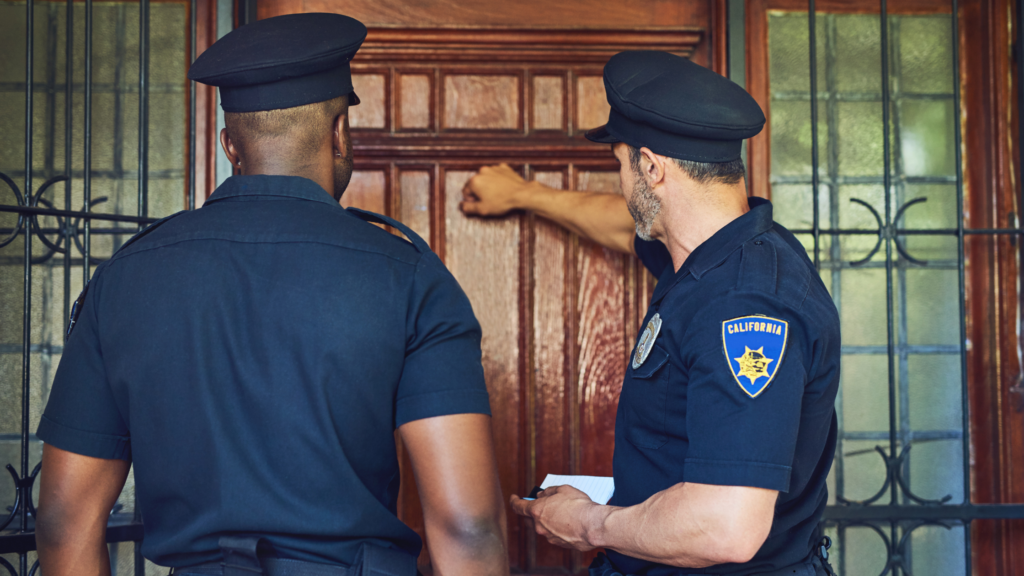
Few situations are more stressful than hearing a knock at your door and realizing law enforcement officers are standing outside. Many people panic, feel pressured to cooperate immediately, or unknowingly give up important constitutional rights.
If police show up at your home without a warrant in Louisiana, knowing how to respond can make a major difference in protecting yourself, your family, and your legal rights.
The reality is that many individuals accidentally allow searches, make damaging statements, or escalate situations simply because they do not understand what officers can and cannot legally do without a warrant.
At Edward B. Jones & Associates, we help clients throughout Louisiana understand their rights and defend themselves when law enforcement crosses legal boundaries.
What Does It Mean When Police Do Not Have a Warrant?
A warrant is a legal document signed by a judge that gives police authorization to search a property, arrest someone, or seize evidence.
Without a valid warrant, police generally have limited authority to enter your home. The Fourth Amendment of the United States Constitution protects citizens from unreasonable searches and seizures.
However, there are exceptions to this rule, and many people unintentionally waive their rights by consenting to a search or speaking too freely.
Understanding the difference between lawful police conduct and voluntary cooperation is critical.
What You Should Do If Police Arrive at Your Door Without a Warrant
1. Stay Calm and Do Not Panic
The first and most important step is to remain calm. Becoming argumentative, aggressive, or physically resisting officers can escalate the situation quickly and may lead to additional charges.
Even if you believe the officers are acting improperly, staying composed protects you and prevents unnecessary complications.
Important Reminders:
- Keep your hands visible
- Speak calmly and respectfully
- Do not make sudden movements
- Avoid confrontational behavior
Remaining polite does not mean giving up your rights.
2. Do Not Open the Door Fully
You are generally not required to fully open your door if police do not have a warrant.
You may speak through the door, through a security chain, or step outside and close the door behind you if you choose.
Opening the door wide can sometimes give officers opportunities to claim they observed something in plain view that justified further action.
You Can Politely Ask:
- “How can I help you?”
- “Do you have a warrant?”
- “Am I being detained?”
These questions help establish the nature of the interaction without volunteering unnecessary information.
3. Ask If They Have a Warrant
One of the most important things you should do is ask officers whether they have a search warrant or arrest warrant.
If they claim to have a warrant, ask them to show it to you.
Carefully Review:
- The address listed on the warrant
- The areas officers are authorized to search
- The name of the individual involved
- Whether the warrant appears signed by a judge
If officers have a valid warrant, do not physically interfere with the search, even if you believe the warrant is improper. Your attorney can challenge the legality of the warrant later in court.
4. Do Not Consent to a Search
If police do not have a warrant, you generally have the right to refuse consent to search your home.
This is extremely important because once consent is given, officers may legally search areas covered by that consent.
You Can Clearly State:
“I do not consent to any searches.”
This statement should be calm, direct, and respectful.
Many people mistakenly believe refusing consent makes them look guilty. In reality, exercising your constitutional rights cannot legally be used as evidence of guilt.
5. Do Not Answer Investigative Questions
Police officers may attempt to ask questions casually to gather information that could later be used against you.
Even seemingly harmless statements can become evidence in a criminal investigation.
Avoid Discussing:
- Where you were
- Who is inside the home
- Whether you know certain individuals
- Details about ongoing investigations
- Ownership of items or property
Instead, politely state:
“I would like to speak with an attorney before answering any questions.”
This is one of the strongest legal protections you have.
6. Understand Exceptions That May Allow Police Entry
There are certain situations where police may legally enter a home without a warrant.
Common Exceptions Include:
Consent
If someone voluntarily allows officers inside, police may legally enter.
Emergency Situations
Police may enter if they believe someone is in immediate danger or requires emergency assistance.
Hot Pursuit
If officers are actively chasing a suspect who enters a residence, they may follow without obtaining a warrant first.
Visible Evidence of a Crime
If officers clearly observe illegal activity or evidence in plain view, this may create legal justification for entry.
Because these situations are highly fact-specific, it is important to speak with an experienced criminal defense attorney immediately if police entered your home without a warrant.
Common Mistakes to Avoid When Police Arrive Without a Warrant
Many people unintentionally damage their own defense during these encounters.
The Most Common Mistakes Include:
- Consenting to a search out of fear or pressure
- Arguing aggressively with officers
- Physically blocking officers from entering
- Volunteering unnecessary information
- Believing you must answer every question
- Signing documents without legal advice
- Attempting to explain or justify situations without an attorney
Protecting your rights starts with staying calm and saying as little as possible.
What Happens If Police Conduct an Illegal Search?
If officers violate your constitutional rights by conducting an unlawful search or seizure, your attorney may be able to challenge the evidence obtained.
Potential Legal Challenges May Include:
- Motions to suppress illegally obtained evidence
- Challenges to the validity of the warrant
- Violations of constitutional protections
- Improper police procedures
- Unlawful detention or questioning
If evidence is suppressed, the prosecution’s case may be significantly weakened or even dismissed entirely.
This is why early legal representation is critical after any police encounter involving your home.
Why Legal Representation Matters Immediately
Interactions with law enforcement can quickly turn into criminal investigations, even when you believe you have done nothing wrong.
An experienced criminal defense attorney can:
- Protect your constitutional rights
- Communicate with law enforcement on your behalf
- Review whether officers acted legally
- Challenge improper searches or seizures
- Help prevent damaging statements from being used against you
With more than 29 years of courtroom experience representing clients across Louisiana, Edward B. Jones & Associates understands how to defend individuals facing police investigations and constitutional violations.
Conclusion
If police show up at your door without a warrant in Louisiana, you still have important legal rights.
Staying calm, refusing consent to searches, avoiding unnecessary statements, and contacting an experienced criminal defense attorney can protect you from serious legal consequences.
You do not have to navigate these situations alone, and you should never assume officers are acting within the limits of the law without proper legal review.
Knowing your rights before something happens can make all the difference.
Speak With a Criminal Defense Lawyer in Patterson, Louisiana
If you believe your rights were violated during a police encounter in the Acadiana area, South Louisiana, St. Mary Parish, or the surrounding areas of Louisiana, Edward B. Jones & Associates is ready to help.
Contact the firm today to discuss your situation and protect your rights from the very beginning.
Contact Information
- Website: Edward B. Jones & Associates Website
- Phone: (985) 399-5944